Platform Growth
The Psychology Behind Viral Videos: Why They Spread
July 24, 2026
Small channels can outperform big creators by mastering niches, retention, distribution, and offers—using a focused content creator workflow that compounds.
Big creators get attention because they have reach, resources, and consistency. But small channels can still “win” by playing a different game—one built on focus, retention, and distribution advantages that compound over time. If you’re a small channel wondering how to get more views without copying giant creators, this is your playbook.
Large channels usually cover broad categories. That helps them become “default entertainment,” but it also means their content is often diluted for anyone who wants something specific. The fastest way for a small channel to beat big creators is to narrow your lane until you’re the obvious choice for a defined viewer—then produce at a pace they can’t match without losing quality.
Here’s a practical example: instead of “fitness motivation,” a small channel could target “strength training for people with desk jobs”—then create repeatable series like “10-minute mobility resets,” “hypertrophy for low-back pain,” or “how to build a routine with 3 dumbbells.” That specificity helps with search traffic (people Google exact problems), boosts click-through because the title promise is clear, and improves watch time because the video matches the viewer’s exact intent.
Use a simple niche test: create 10 video ideas where each one solves a single outcome for a single audience. If you can’t describe the audience in one sentence (e.g., “beginners who want clean skin without 10-step routines”), your niche is too wide. This is also where a content creator business plan helps: choose 1 niche pillar and 3 supporting subtopics you can cover for months without feeling random.
Big channels often rely on brand recognition and production value. Small channels can’t always out-produce them, so instead you out-perform them on viewer psychology: hooks, clarity, and pacing. The YouTube algorithm 2026 continues to reward signals tied to satisfaction—especially session time, returning viewers, and engagement patterns that indicate people found what they expected.
Try this retention-first structure that works across niches. In the first 5–10 seconds, say exactly what the viewer will get (not “today we’re gonna talk about…”). Then deliver the core value in the middle without dragging. Finally, close with an outcome-oriented wrap-up: “If you do X for 14 days, you’ll get Y” or “Here’s the checklist to replicate this.”
Example: if your big competitor posts a 12-minute “how to edit videos” tutorial, you can post a 6-minute version that focuses on one bottleneck—“Cutting out dead air so your retention stays high”. Your video can win even if it’s shorter because it’s more complete for the viewer who searched that exact issue. Track retention and engagement; if your average view duration is low but clicks are decent, your hook is promising the wrong thing or your first minute is too vague.
If you want a proven starting point, build a repeatable content creator workflow: Hook idea → outline → script → edit pacing → publish → analyze → iterate. Consistency matters, but smarter iteration compounds faster than simply posting more.
Big creators can afford one-off experiments because their subscriber base is huge. Small channels need a different advantage: predictability. A series creates an expectation loop—viewers know what they’ll get and return to binge. Series also make it easier to scale production because you’re building on a tested format rather than reinventing every video.
Think in formats, not just topics. For example, a small YouTube channel about personal finance could run: “Money Myth Monday,” “1-minute budget teardown,” or “Debt payoff calculator walkthroughs.” Each episode can target a different scenario (credit cards, student loans, car payments), but the structure remains consistent.
Here’s a simple series formula that produces results: pick one measurable outcome (e.g., “reduce grocery spending by 20%”), then create 6–12 episodes that each remove a specific obstacle (impulse buys, meal planning gaps, store brand avoidance, bulk buying mistakes). This helps you beat big creators because you’re not competing on volume—you’re competing on clarity and repeat value.
Action step for your next 30 days: choose one series, write 10 episode titles, and schedule them. Then optimize the first episode hardest. If episode one performs well, you’ll learn what the audience responds to and you can replicate the pattern in the rest of the series.
Big creators can rely on their audience notification engine. Small channels must actively build multiple discovery routes—search, suggested videos, social sharing, and community engagement. This is where many creators fail: they post once and hope the algorithm does the rest. Instead, treat each video like a distribution package.
Start with three distribution targets for every upload: search (YouTube SEO), suggested (topic clustering), and social proof (posts that drive the first wave of clicks). You don’t need viral reach—just enough early engagement to teach the platform what your audience is.
Practical example: if you publish “How to start meal prepping on a budget,” you can create a short list post, a carousel, and a 30-second reel recap. Each piece should link back to the video and include a hook that matches the video’s promise. Then, in your next upload, reference the previous one in a natural way (e.g., “If you want the grocery list template, watch the budget starter episode from last week”). That internal topic linking increases session flow.
For YouTube specifically, a strong workflow includes keyword-aligned titles and descriptions, consistent tags around your topic cluster, and thumbnails that communicate value in one glance. If you want a checklist approach, use a YouTube SEO checklist for titles, descriptions, and tags (2026) to make sure you’re covering the basics without guessing.
Small channels often chase sponsorships too late because they assume revenue comes after “big numbers.” But monetization earlier can actually fuel growth: revenue buys testing time, better equipment, and more consistent output. The secret is to monetize with offers that fit your viewer intent—not just what you want to sell.
Start with digital products because they’re low-friction and easy to iterate. Examples: templates, checklists, planners, mini-courses, or “done-with-you” resources. The right offer also helps you improve content: you learn what your audience is willing to act on, then you build more videos around that demand.
Consider a creator who teaches editing. They can sell a “Retention Cut Pack” with example timelines and captions, then use YouTube videos to showcase how each template reduces dead air. Or a gaming channel can sell an overlay pack plus a tutorial series. This turns passive income for content creators into an outcome-based system rather than wishful thinking.
If you need ideas, refer to digital product ideas that creators can sell. Even if you start small—like a $9 checklist—you’re training your audience to value your expertise and creating a direct revenue stream that doesn’t depend on follower growth alone.
Small channels don’t need more attention. They need sharper attention—one audience, one promise, repeated until it becomes a habit.
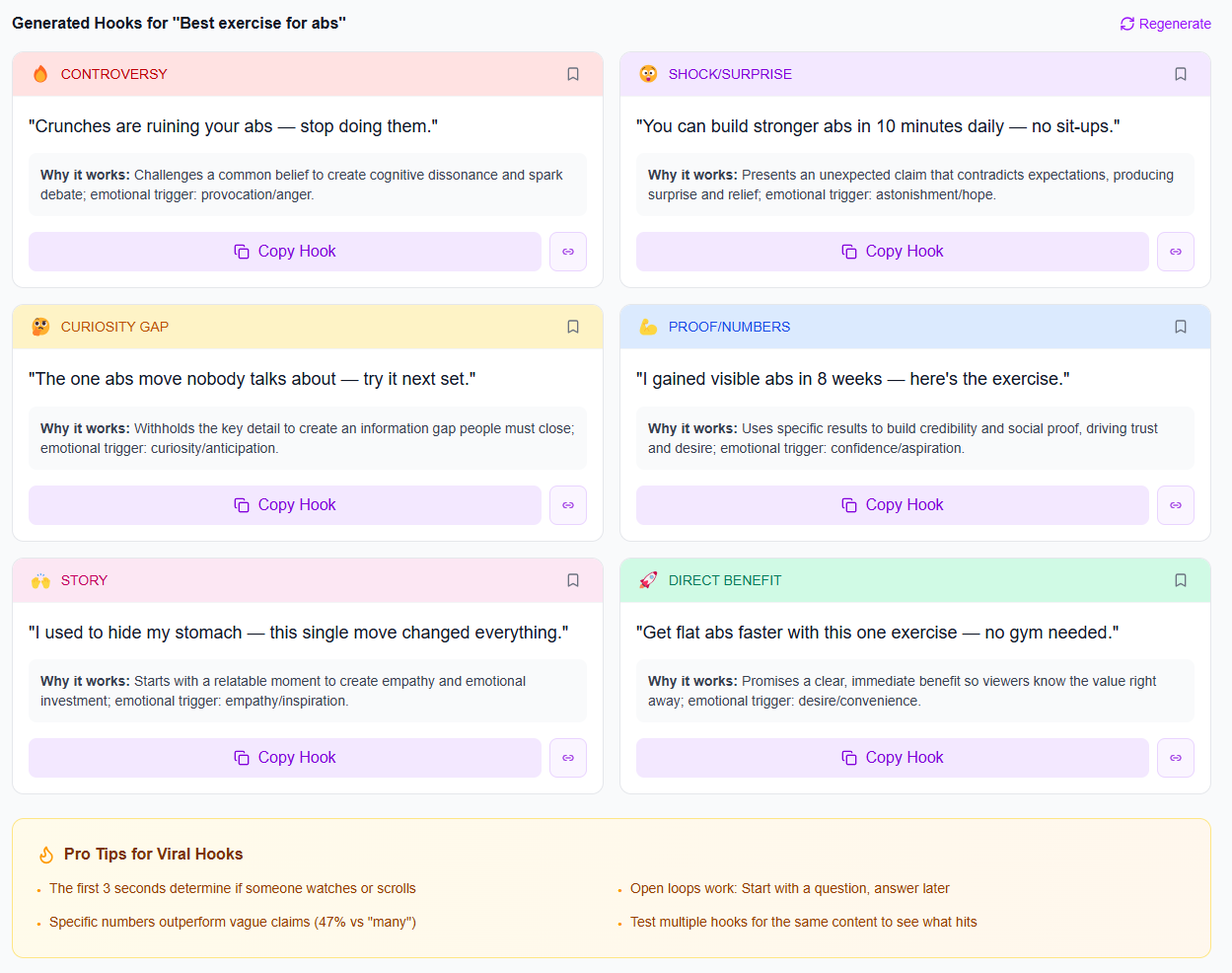
If you want to beat bigger creators, you need a creator-first content workflow that prioritizes quality, consistency, and iteration—not random posting. iBuildInfluence supports this with tools that streamline the entire process: Trend Scout helps you find trending topic angles before they peak, while Hook Lab generates and scores hooks so you can test what drives clicks without guessing. You can then use Content Planner & Content Queue to map out weeks of content and auto-schedule, which is crucial when you’re competing on predictability.
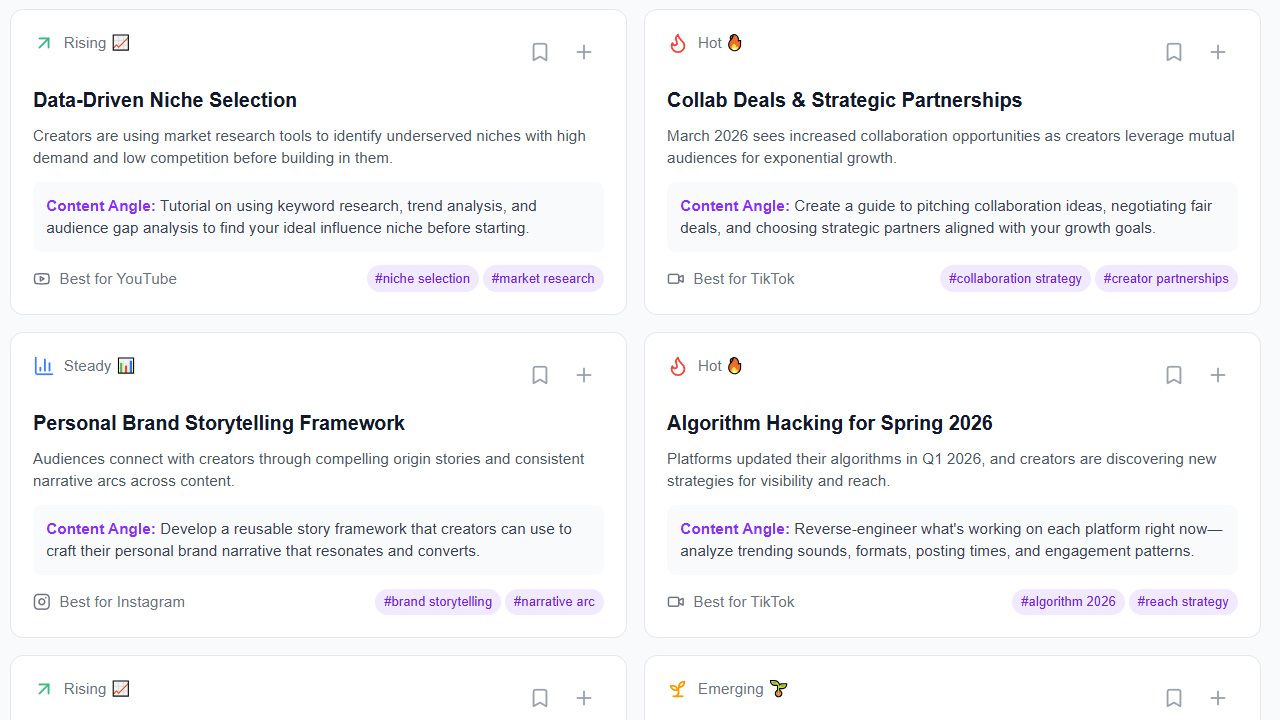
On the growth-to-income bridge, iBuildInfluence also helps you stay grounded in what actually converts. Use Social Statistics to see what’s earning saves, shares, and engagement rate (not vanity metrics), and leverage Pitch Machine to create professional brand pitches quickly when you’re ready for sponsorships. If you’re serious about selling digital products creator-style, you can structure your messaging and follow-ups using your own content performance data—so your offers align with viewer intent.
Focus on niche clarity, retention-first packaging, and repeatable series formats. Big creators often win on reach, but small channels can win on viewer satisfaction signals like watch time, returning viewers, and topic relevance. Build multiple discovery paths by optimizing titles/descriptions and creating short recap posts that drive early engagement.
Use a loop: idea research → hook testing → script/outline → publish → analyze → iterate. Batch production helps you stay consistent, while analytics helps you improve what matters (click-through, retention, and engagement rate). Scheduling tools also prevent “random posting,” which is common when channels are small.
Monetize when your audience clearly shows intent—typically when people ask for resources, request templates, or binge your series. Start with low-risk digital products like checklists or templates, then expand based on what sells. If sponsorships are your goal, prepare a media kit and track deals in a simple pipeline so opportunities don’t slip.
Small channels beat big creators by targeting a specific niche with clear viewer outcomes.
Retention wins: hooks and pacing matter more than production budget.
Series strategy creates predictability, repeat viewers, and compounding growth.
Out-distribute every upload across search, suggested topics, and social recap posts.
Monetize early with offers that match intent—templates and digital products can fund growth.
Found this helpful? Share it:
iBuildInfluence Team
Creator growth strategist at iBuildInfluence. Helping content creators land brand deals, grow their audience, and build sustainable creator businesses.
Try iBuildInfluenceJump in and use Social Statistics to see what is actually growing.
Open Social Statistics