Income & Monetization
How Many Subscribers Do You Need to Make $1,000 a Month on YouTube in 2026?
October 26, 2026
Ad revenue is unstable. Here are 10 practical ways YouTube creators can make money in 2026—brand deals, products, Fan Clubs, affiliates, and more.
Ad revenue alone will not carry a creator career in 2026. The channels that stay paid build income outside the Partner Program—brand deals, products, memberships, affiliates, and services that keep earning when views dip. This guide is for YouTubers who want a real content creator business plan, from side hustle to full time, whether ads are already on or still a future goal. For current Partner Program and Shorts pay rules, check YouTube Help before you plan around any threshold.
The first two money paths sit together: sponsored integrations and dedicated brand videos or campaigns. You are not selling a free shoutout. You are selling placement, trust, and a clear deliverable. Open your analytics, note average views on the last 8–12 similar videos, then set a floor price you will not go under. A simple worked example: if a typical video averages 20,000 views and a brand wants one mid-roll mention plus a description link, you quote a package rate, not a per-view guess. When they ask for exclusivity or rush delivery, add a premium on top of that floor.
Decision first: only pitch brands that fit your niche and audience. Then write a short outbound email with your niche, one proof point, and a clear ask. If you need rate confidence before you reply, use a data-backed range rather than a number you invented under pressure. A full walkthrough of how much to charge for a sponsored post helps you defend the quote without sounding random. Log every lead the day it arrives so follow-ups do not die in your inbox.
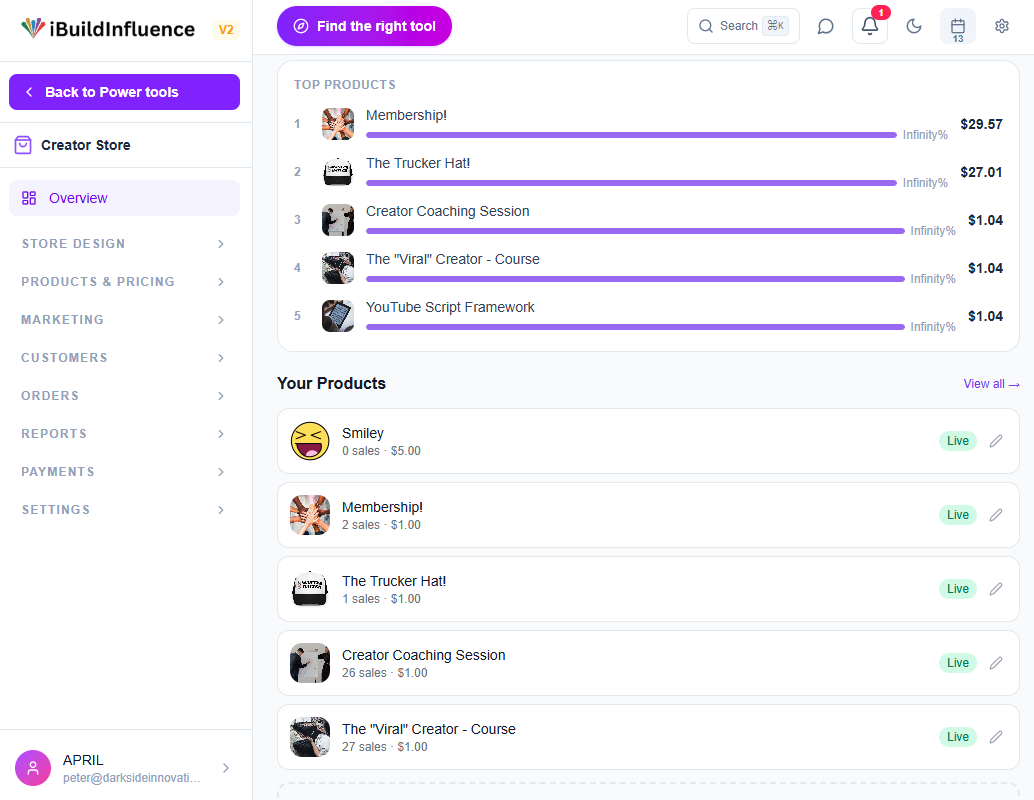
Ways three and four are digital products and a simple creator shop for digital or physical goods. Ads pay when someone watches. A product pays every time someone buys, including months later from an old video. Niche the offer hard. “47 golden-hour Lightroom presets” beats “content guide.” Templates, checklists, shot lists, preset packs, and short courses all work when they solve one painful job your viewers already ask about in comments.
Decision: pick one product you can ship in two weeks, not a full academy. Price it so a true fan can buy without a sales call. Put the offer in the video, description, and end screen. If you want passive income for content creators that does not depend on the YouTube algorithm 2026 mood that week, a product is the cleanest lever. Fulfillment, refunds, and a clear product page matter more than a huge catalog. Start with one SKU, prove it sells, then add a second.
Ways five and six are paid memberships and a members-only layer (on-platform Fan Club style perks or YouTube memberships you track as a stable line). Sponsorships swing. Memberships smooth the month. Do not launch a tier for strangers. Launch when a small group already comments, DMs, or watches to the end. Perks that work: early videos, BTS notes, monthly Q&A, members-only posts, or a private drop each month.
Decision: one tier with a clear promise beats five vague levels. Example structure only: a single monthly tier with two concrete perks and a public “what’s inside” page. Treat membership revenue as the base layer of your plan when you map how to transition from side hustle to full time. Ads and one-off deals sit on top. Review churn and renewals monthly so you know if the offer is sticky or just curiosity.
Ways seven and eight are external affiliate programs and tracked product or store referrals. Affiliates are not “mention random links.” They are a shortlist of tools and products you already use on camera, with working tracking URLs in the description. Group links by category. Refresh dead URLs on a schedule. A broken link is silent lost revenue.
Decision: only promote what you would buy again. Write a 15-second honest ad read, not a hype script. Put primary links high in the description and repeat the offer once mid-video when it is natural. Affiliate income becomes real passive income for content creators only when the catalog is maintained. If revenue drops and views did not, audit links before you rewrite your whole content creator workflow.
Ways nine and ten are UGC or white-label production for brands’ own channels, and packaged coaching or consulting for peers in your niche. Here you sell production skill or expertise, not your subscriber count. A brand may hire you to film three TikToks for their account. A newer creator may pay for a fixed “channel teardown” call. Keep this revenue separate from influencer metrics so you do not confuse client work with channel growth.
Decision: productize the offer. “Three vertical ads, one revision, seven-day turnaround” or “60-minute teardown with a written action list” is easier to buy than open-ended freelancing. Scope, deadline, and revision limit go in writing before you shoot. This path is especially useful when you still need cash while you grow reach, and it pairs well with the broader playbook on how small YouTubers get paid without relying on ads alone.
Build at least one income line you control—product, membership, or service—so a single bad RPM week cannot wipe your month.
When you are ready to sell something you own, open Creator Store and put one clear product live with checkout on your own Stripe so sales keep paying after the video is old. For recurring fans, set up Fan Club with a single monthly tier and perks your commenters already ask for, so membership revenue does not depend on ad swings. Before you answer “what are your rates,” run Rate Calculator against your niche and formats so the brand quote has a floor, not a panic number.
No. Brand deals, digital products, memberships, affiliates, and UGC do not require ads to be enabled. Many creators earn from those paths while they work toward Partner Program eligibility. Always confirm current YPP rules in YouTube Help, because requirements can change.
Start with one digital product or a tight affiliate stack tied to videos people already watch. Add memberships only after a core group engages without being asked. Brand rates get easier once you can show consistent niche views and a clean media story, not only a follower count.
Separate “traffic money” (ads, some sponsorships) from “owned money” (products, Fan Club, retainers). Keep one product and one recurring offer live at all times. Review which line paid last month, then double down on that offer in your next batch of videos instead of posting more of the same hope content.
Ad revenue is one line, not a business. Plan brand deals, products, memberships, affiliates, and services on purpose.
Price sponsorships from your real averages and a written floor, then add premiums for exclusivity or speed.
Sell one narrow digital product before you build a catalog; niche beats vague “guides.”
Memberships work when true fans already exist. One clear tier beats five empty ones.
Own at least one checkout and one recurring offer so algorithm swings cannot erase the month.
Found this helpful? Share it:
iBuildInfluence Team
Creator growth strategist at iBuildInfluence. Helping content creators land brand deals, grow their audience, and build sustainable creator businesses.
Try iBuildInfluenceOctober 26, 2026
October 24, 2026
September 28, 2026
Jump in and use Rate Calculator to price your next sponsored post.
Open Rate Calculator