Income & Monetization
From Views to Income: Optimize Your YouTube Monetization Strategy
August 26, 2026
Unlock YouTube monetization faster! This guide breaks down the new YPP rules for small creators, eligibility for Shorts & long-form, and how to start earning now.
YouTube is tightening its monetization approach—and in 2026, small creators have to find new ways to earn without relying on a single ad-rate hope. If you’ve been wondering how to turn consistency into cash, this breakdown will show you what’s changing, what to build, and how to plan for the next 12 months.
In this article, you’ll get a practical 2027 Youtube Partner Program change breakdown and a ready-to-use content creator business plan framework, view-growth tactics, and a workflow to help you scale. Let’s make your channel earnings more predictable—starting now.
Future Ad Revenue Threshold Changes (Effective 2027)
Watch Hours: For long-form content ad and Premium revenue sharing, the requirement doubles from 4,000 to 8,000 public watch hours over a 12-month period.
Shorts Views: For short-form content, the entry requirement doubles from 10 million to 20 million Shorts views over a 90-day period.
Subscribers: The baseline requirement remains at 1,000 subscribers.
Grandfather Clause: Existing members already in the partner program before these rules take effect will not lose their monetization status.
Ongoing Shorts Maintenance Target
Rolling Requirement: After entering the program, Shorts creators must continually maintain 10 million Shorts views every 90 days to keep earning from Shorts.
Paused Earnings: If views drop below this maintenance mark, your Shorts revenue sharing pauses (rather than getting kicked out of the YPP entirely) until you cross the threshold again.
The Full Youtube Parter Program change list is here: https://support.google.com/youtube/answer/12843009
Think of YouTube as your discovery engine and your monetization as your product ladder. In 2026, small creators who treat their channel like a business grow faster because every upload supports the next step: the viewer watches, trusts, and then chooses how to support you—through purchases, memberships, or paid collaborations.
Here’s a practical way to map revenue paths that fit most niches, from education to entertainment to creator-led commentary. The goal isn’t to do everything at once—it’s to build a sell digital products creator strategy alongside your content so earnings aren’t hostage to ad RPM fluctuations.
Top-of-funnel content: Build awareness with searchable titles and consistent packaging.
Trust content: Publish series-style videos that earn repeat viewing and deeper understanding.
Conversion content: Add “how-to” and problem/solution uploads that naturally introduce offers.
Offer types: Digital products, templates, mini-courses, and community perks that match your audience’s stage.
Distribution rhythm: Use a repeatable schedule so viewers know when to come back.

Pro tip: Don’t ask “How do I get monetized?” Ask “What problem do my best viewers keep trying to solve—and what can I deliver in one click?” Your monetization follows your clarity.
If you’re aiming for passive income for content creators, digital products are the fastest bridge from view-based revenue to asset-based revenue. A simple example: a spreadsheet template paired with a video walkthrough can sell while you sleep, as long as the video is designed to rank and remain relevant.
Many creators want to know how to transition from side hustle to full time, but the real question is: can your income sustain you consistently? In 2026, the safest path is to combine YouTube’s growth cycle with multiple business revenue streams. Your content is the lead engine; your monetization (Business + Youtube Partner Program) is the cash engine; your workflow is the reliability engine.
Start by reviewing your current situation - if you are looking at Youtube's Partner Program as your only income stream - then you have a lot of possible income growth.
Cover the core business basics - Everyone seems to forget how big a crowd 500 people is. Just think of the last time you spoke to 500 people? Maybe at a wedding or a community event. Now the goal is to offer them products & services that they are keenly interested in:
Affiliate Marketing: Recommend products you genuinely use via networks like Amazon Associates or ShareASale; this earns commission from day one regardless of subscriber count.
Digital Products: Sell templates, guides, presets, or courses tailored tightly to your niche.
Physical Products: Build your own offering - partner with suppliers for products which really suit your niche.
Micro-Sponsorships: Reach out to small, relevant brands in your niche once you cross a few hundred highly engaged subscribers rather than waiting for massive view counts.
Crowdfunding/Patreon: Direct your most loyal viewers to an external platform for exclusive community perks or early access.
Then, lock your schedule around compounding outputs: evergreen tutorials, troubleshooting series, and “best of” playlists. If you want content that can keep earning, design it so viewers can understand the next step without needing a live event.
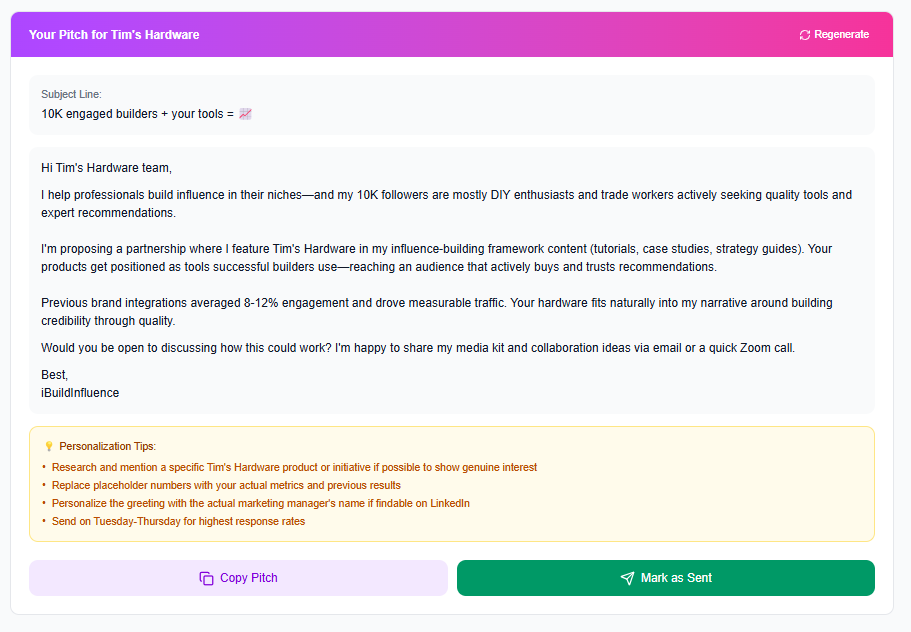
iBuild Influence is a platform which specialises in social media intelligence which helps you navigate YouTube’s February 1, 2027, Partner Program (YPP) rule changes. Key areas of benefit include optimizing your content strategy, tracking multi-platform growth, and tools to help you grow new income streams. The Content Generator helps creators build better scripts tailored for their audience, and the Pitch Machine focus's on building the right approach for gaining micro-sponsorship income.
YouTube monetization plan in 2027: YouTube has updated it is planning stricter monetization rules from February 2027. New creators may need 1,000 subscribers plus either 8,000 watch hours in 12 months or 20 million qualified Shorts views in 90 days to earn ad revenue
How to Earn: Your audience, regardless of how large / small, represents people who are keenly interested in your niche - serving them with products & services for that niche is the key to monetizing while growing to be approved with Youtube's Parter Program.
Use a business-first workflow: a realistic content creator business plan and consistent scheduling help you earn while you grow.
YouTube’s new monetization landscape in 2027 is a challenge for small creators to monetize as they are focused on rewarding creators who build trust, retain viewers, and offer real value beyond the video. If you treat your channel like a system & business, monetization becomes less of a lottery and more of a plan.
Found this helpful? Share it:
iBuildInfluence Team
Creator growth strategist at iBuildInfluence. Helping content creators land brand deals, grow their audience, and build sustainable creator businesses.
More from iBuildInfluenceJoin thousands of creators using iBuildInfluence to land brand deals, grow their audience, and build real income.
Start Free